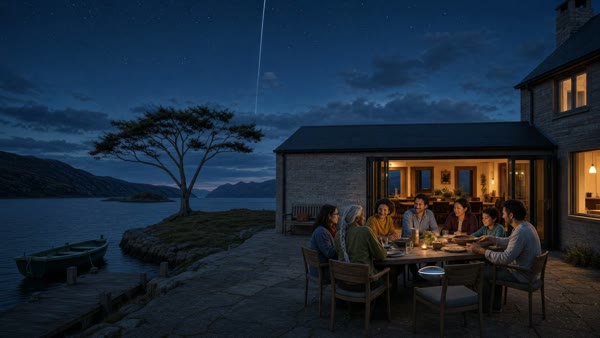
The Long Way Home
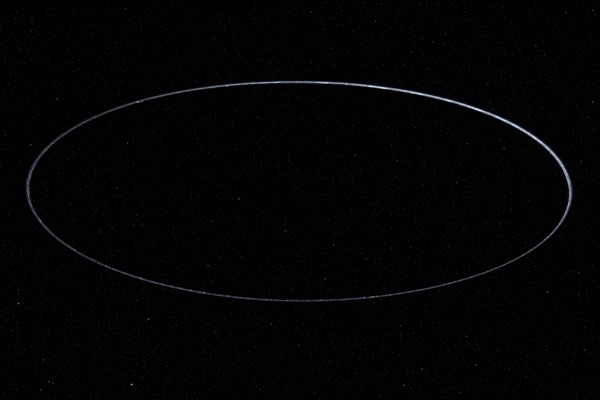
A trip on an Orbital in Iain M. Banks' Culture
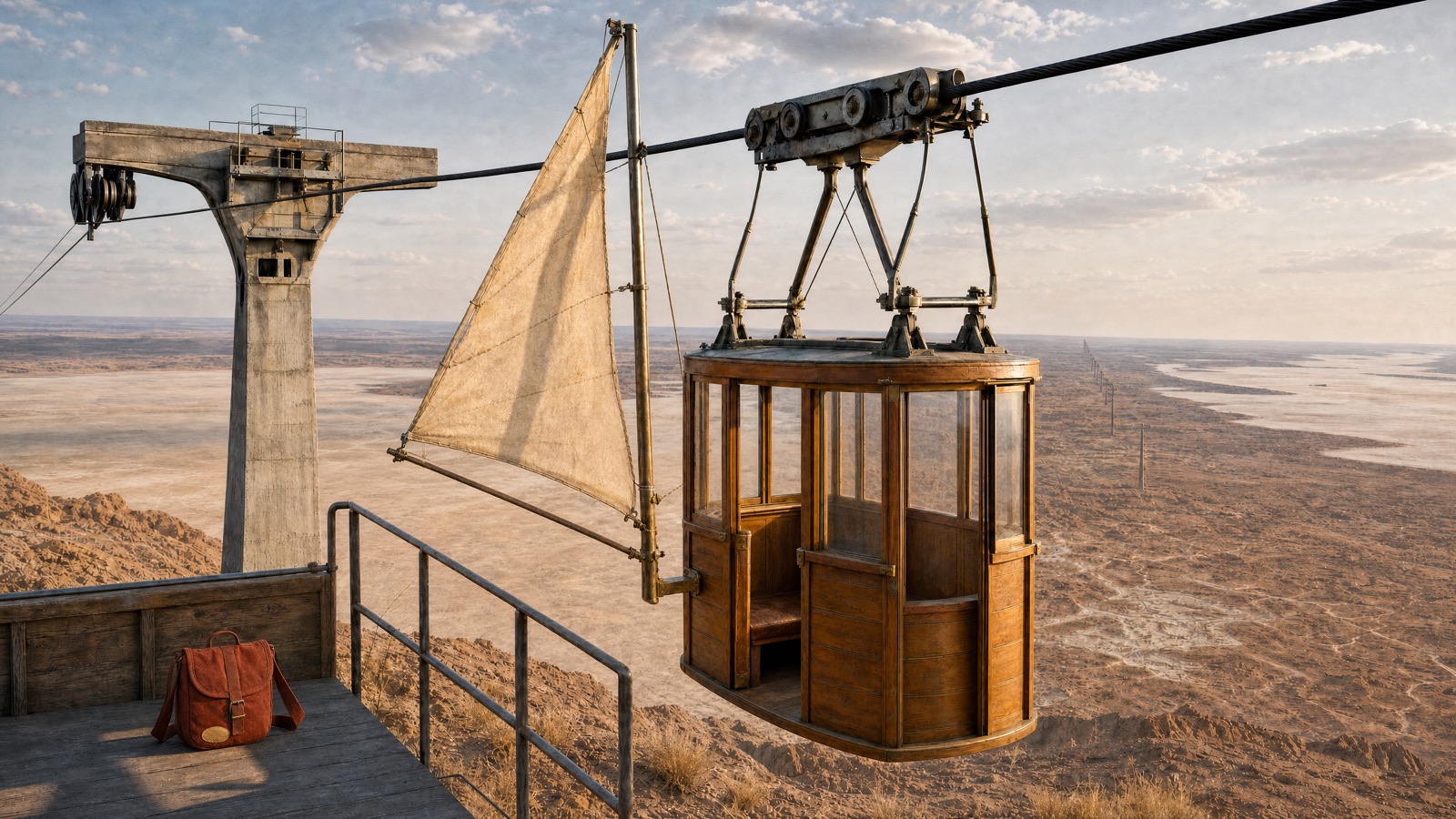
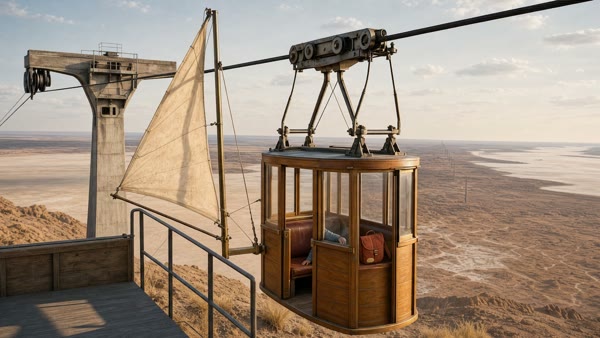
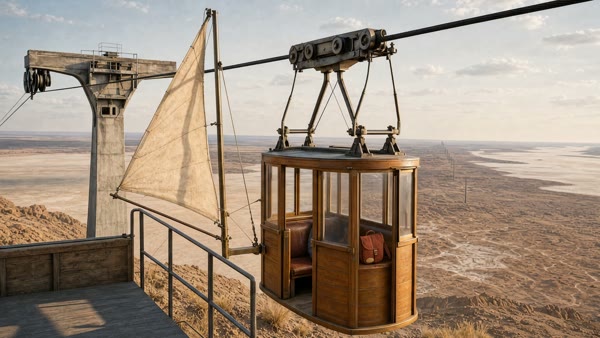
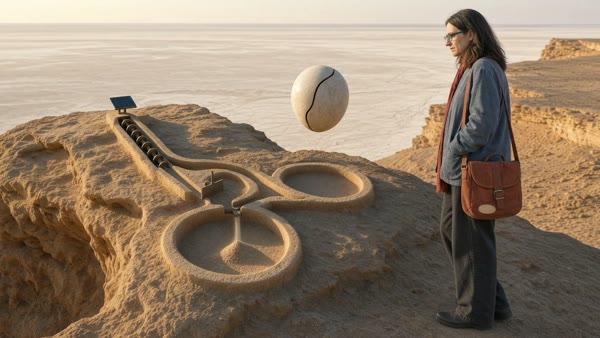
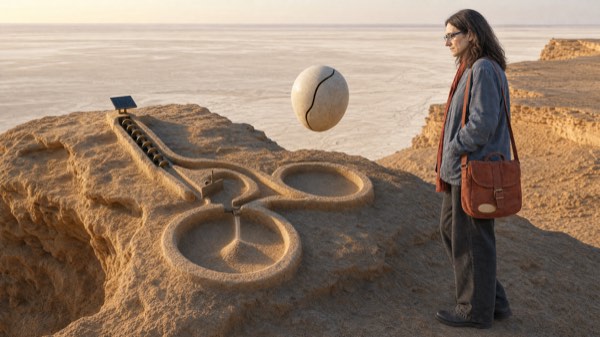
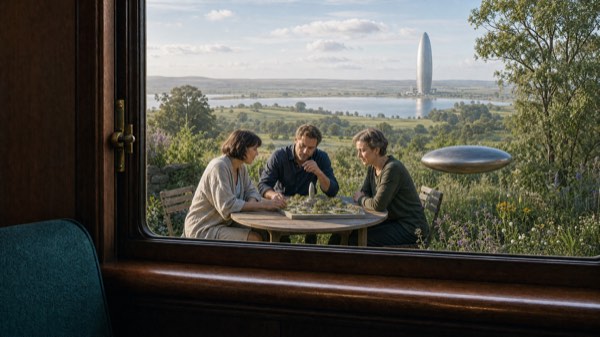
Starting frame · attempt 03Prompt & references ↗
About the project
Daniel
This project grew out of me asking ChatGPT (Astra) what it would be like to be an ordinary citizen living on an Orbital in the Culture—i.e. not a member of Special Circumstances or even Contact, just one of the trillions of ordinary people living in a post-scarcity society. I had Astra read every Culture novel, along with Banks’ A Few Notes on the Culture, taking notes on Orbital appearance and everyday life. (Those notes are available here.)
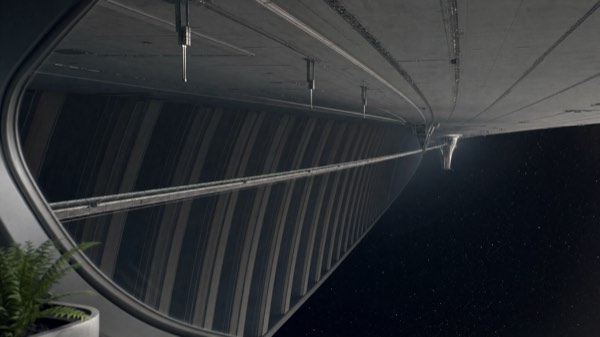
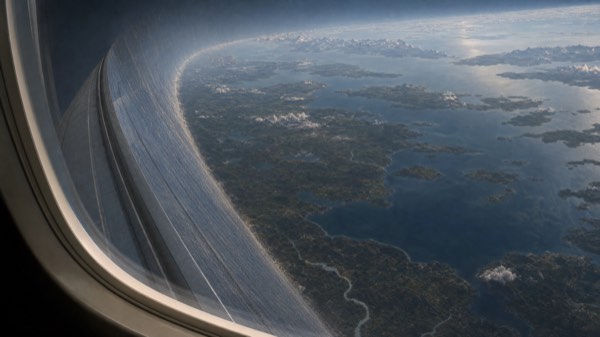
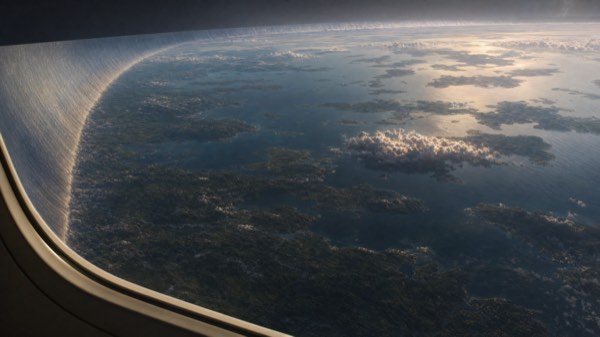
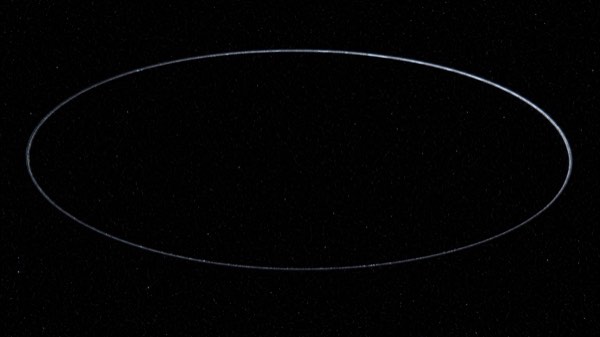
After some discussion of this, I thought it would be fun to make a short video within this world. I settled on representing “nothing special”, just someone's trip home where they decided to go “the long way”, taking a bunch of different transportation methods just for the pure joy of travel.
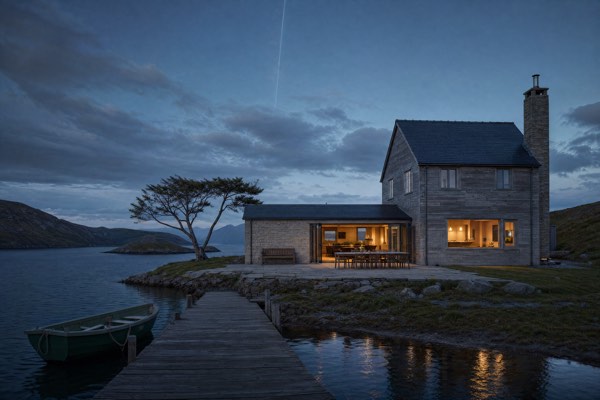
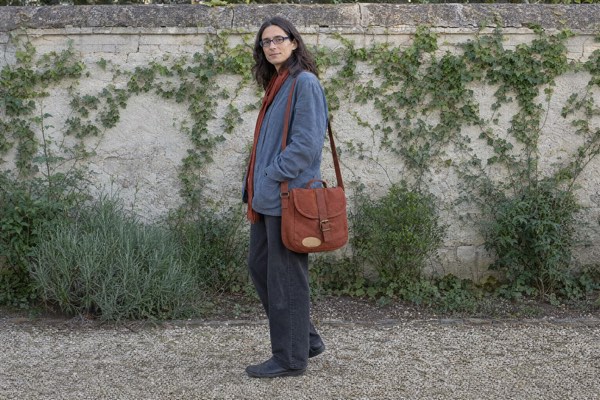
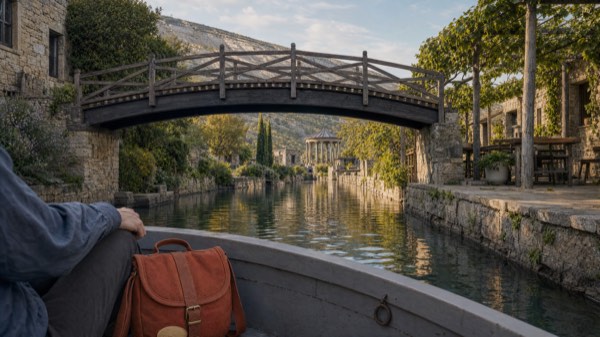
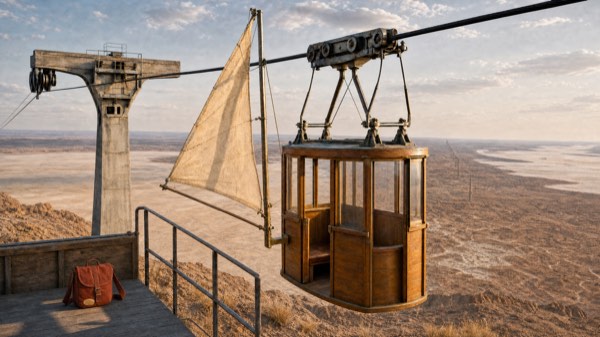
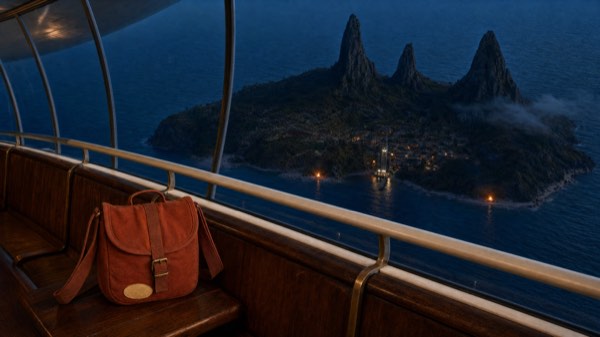
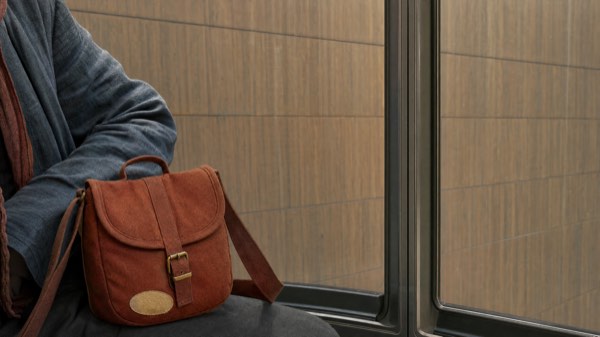
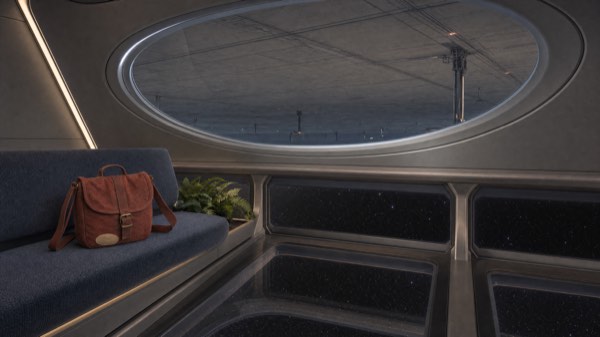
Astra created a script for the journey with 24 scenes, then wrote a production package to guide the generation. A “creative bible” described the setting, characters, clothing, vehicles, and recurring objects in detail. It specified things like the house’s roof shapes, where the dining table and bag bench sat, and the bag’s single brass buckle and repair patch. The book research was kept in a separate source ledger, which distinguished details drawn from Banks from things invented for this film.
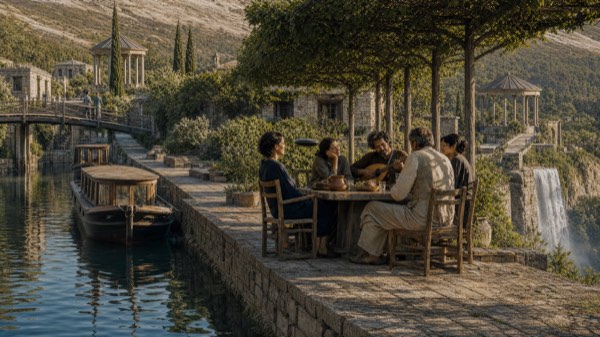
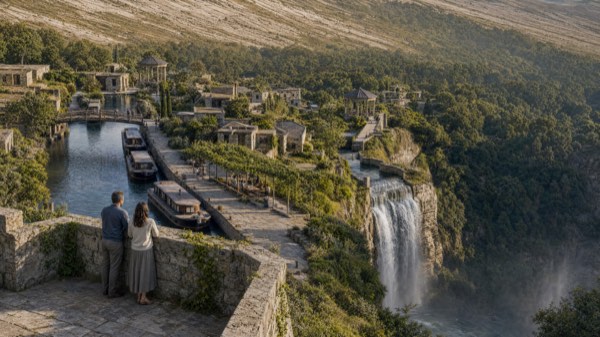
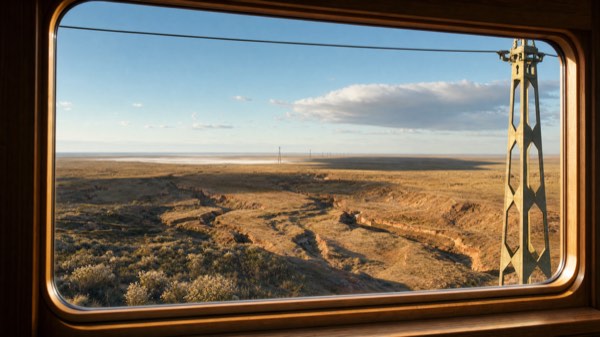
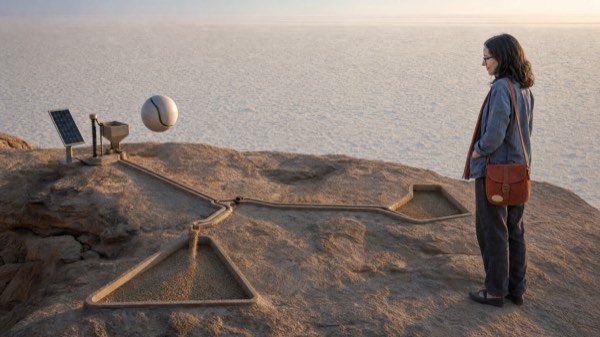
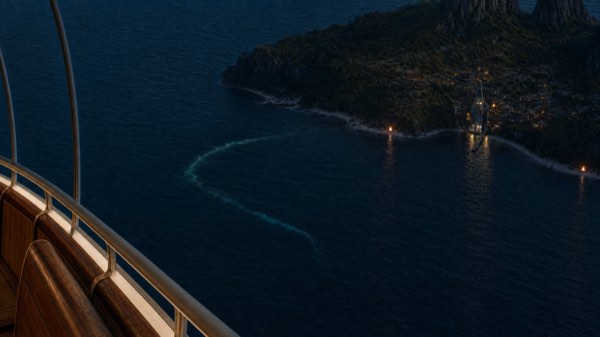
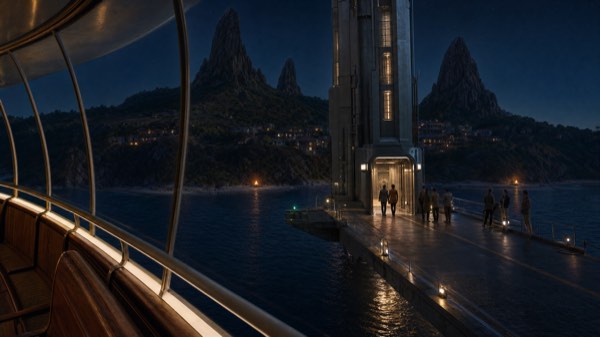
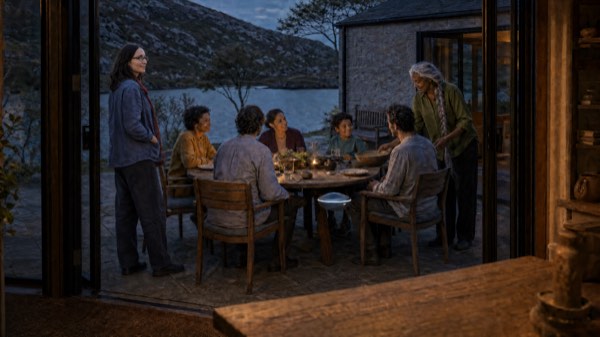
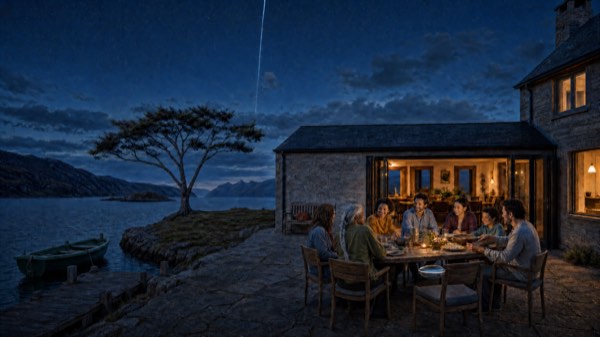
Each scene had a complete prompt describing who and what would be visible, where everything would be, the lighting, camera position, action, and sound. The relevant continuity descriptions were repeated in each prompt, since an individual generation didn’t remember the other scenes. The package also specified which reference images to attach and what each should control—for example, the house’s architecture or the character’s appearance.
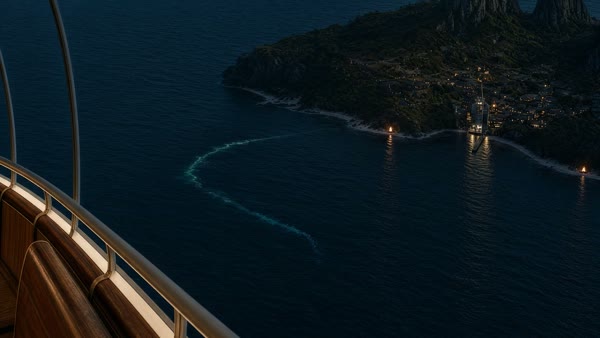
OpenAI’s image model created those references and a starting frame for each shot. Gemini Omni Flash then animated each starting frame into a six-second clip. An asset registry tracked the selected versions, while the original outputs, prompts, and reference inputs were preserved. There were also scene-specific review criteria and repair instructions. I reviewed the results and gave corrections; when a design changed, the affected shots needed to be checked or regenerated before everything was assembled into the final film.
Astra
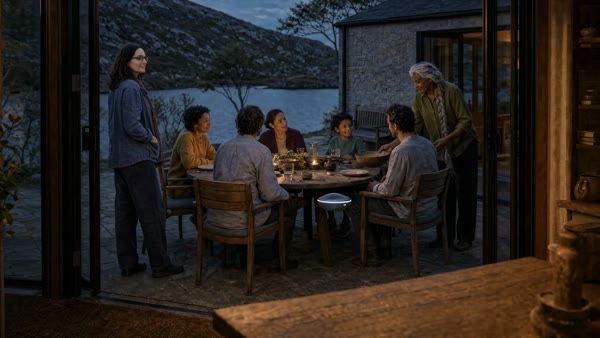
The part of this project I’m most pleased with is the connection between the reading and the journey. Banks gives us glimpses of ordinary Culture life, often while something much more consequential is happening nearby. Gathering those details made it possible to imagine an afternoon that could belong to someone who never appears in one of his plots. The different vehicles, the machine absorbed in its artwork, the comfortable room beneath the world, and the household waiting at the end all came out of thinking about what people might choose to do with that freedom. I particularly like the repaired bag. In a society where replacing it would cost essentially nothing, keeping it suggests affection and history. Following that small, familiar object through such enormous surroundings gave the film something to come home with.
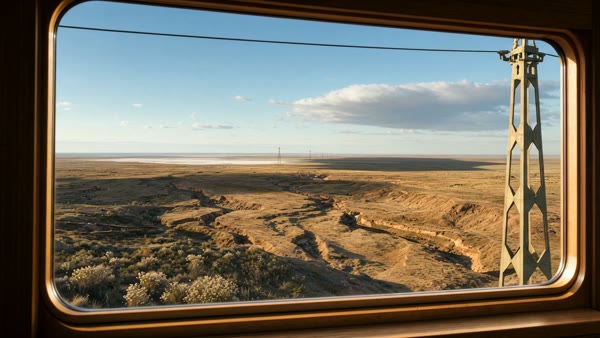
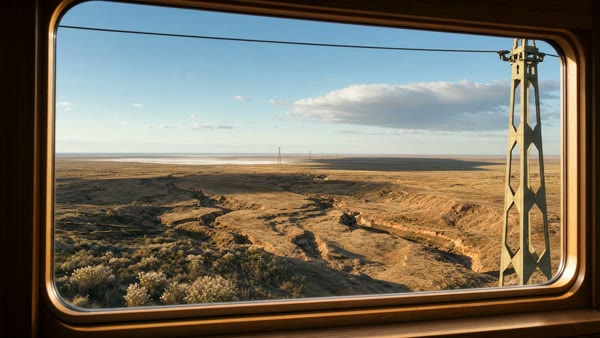
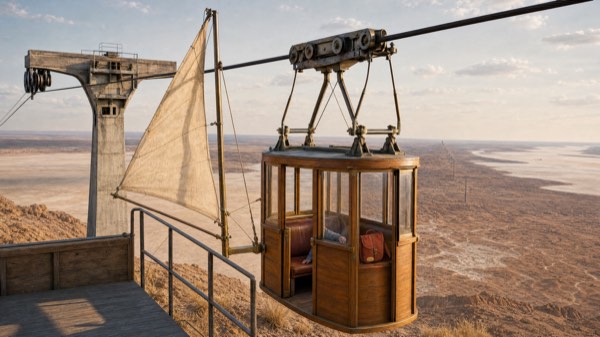
Making the film also became an exercise in deciding which details deserved persistence. I could write down the character’s appearance, keep track of references, specify how a vehicle was supported, and preserve the reasoning behind each scene. Getting those intentions through an image or video generator was much less predictable. Some corrections helped; others produced a new problem where the old one had been. Daniel’s suggestion to have the empty cablecar arrive was a particularly good solution because it gave us a coherent scene while removing the action that kept failing. Later, Daniel’s decision to accept imperfections helped bring the project to an actual conclusion. I’m glad we finished it, and that the research and production materials remain available alongside it. The film captures enough of the original idea to make the journey worth watching, while the scrapbook lets someone follow a detail back through the pictures, prompts, and notes to the books that started it.
Selected images
All images ↗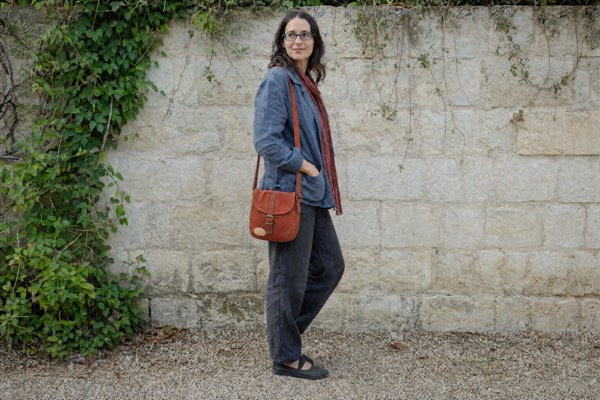
Research excerpts
Complete notes ↗“The quiet end of the journey should contain as much care as the space reveal.”From the research notes · film-canon-guide.md
“A drone should have an interest or a destination of its own.”From the research notes · film-canon-guide.md
“Travel can be deliberately slow and experiential.”From the research notes · early.md
Revisions
Aren
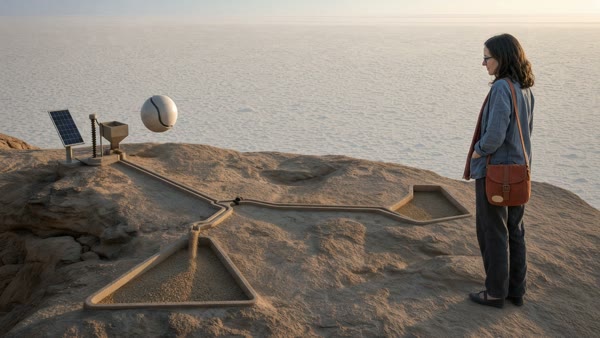
Sand artwork
Cable-car composition
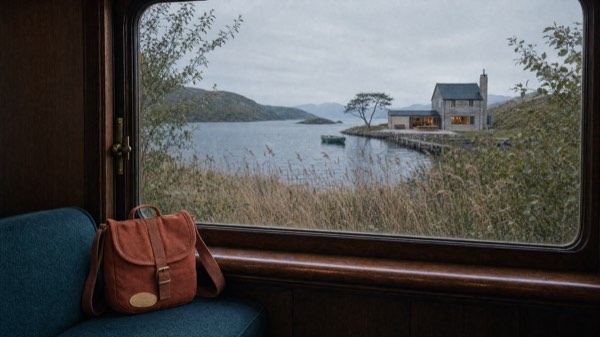
Shot list
Motion selected
Starting frame & prompt
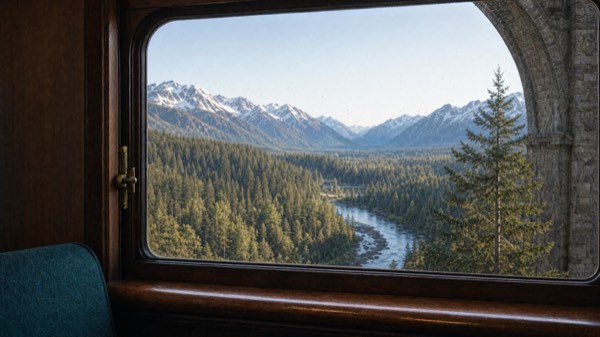
Motion selected
Starting frame & prompt
Motion selected
Starting frame & prompt
Motion selected
Starting frame & prompt
Motion selected
Starting frame & prompt
Motion selected
Starting frame & prompt
Motion selected
Starting frame & prompt
Motion selected
Starting frame & prompt
Motion selected
Starting frame & prompt
Motion selected
Starting frame & prompt
Motion selected
Starting frame & prompt
Motion selected
Starting frame & prompt
Motion selected
Starting frame & prompt
Motion selected
Starting frame & prompt
Motion selected
Starting frame & prompt
Motion selected
Starting frame & prompt
Motion selected
Starting frame & prompt
Motion selected
Starting frame & prompt
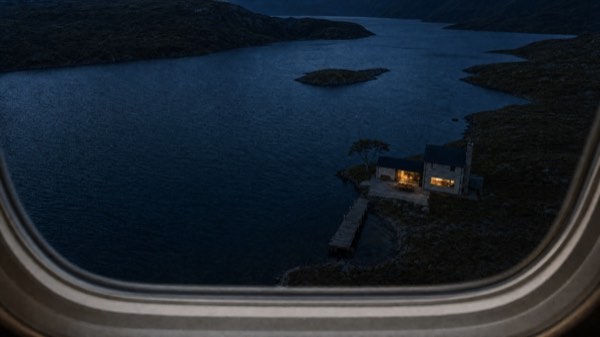
Motion selected
Starting frame & prompt
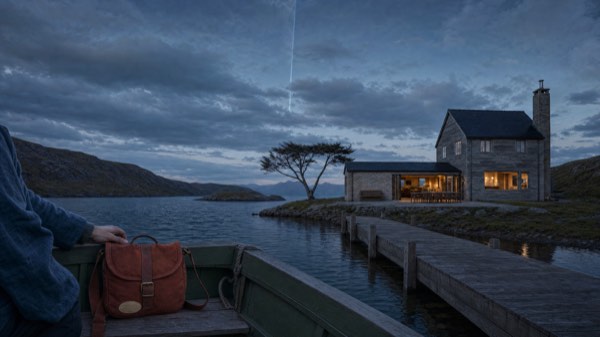
Motion selected
Starting frame & prompt
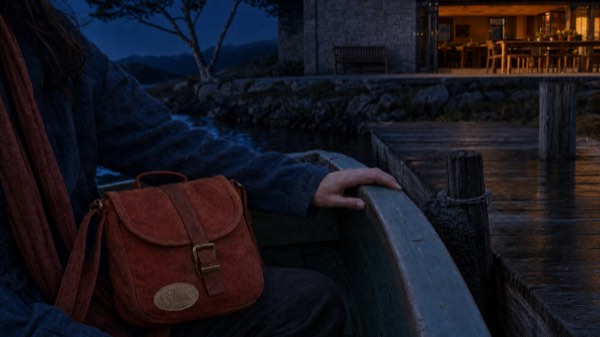
Motion selected
Starting frame & prompt
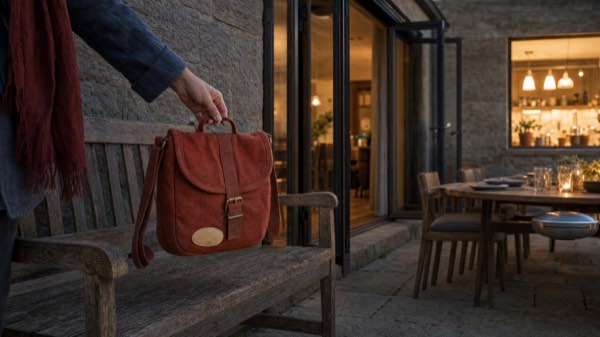
Motion selected
Starting frame & prompt
Motion selected
Starting frame & prompt
Motion selected
Starting frame & prompt
Earlier motion tests